
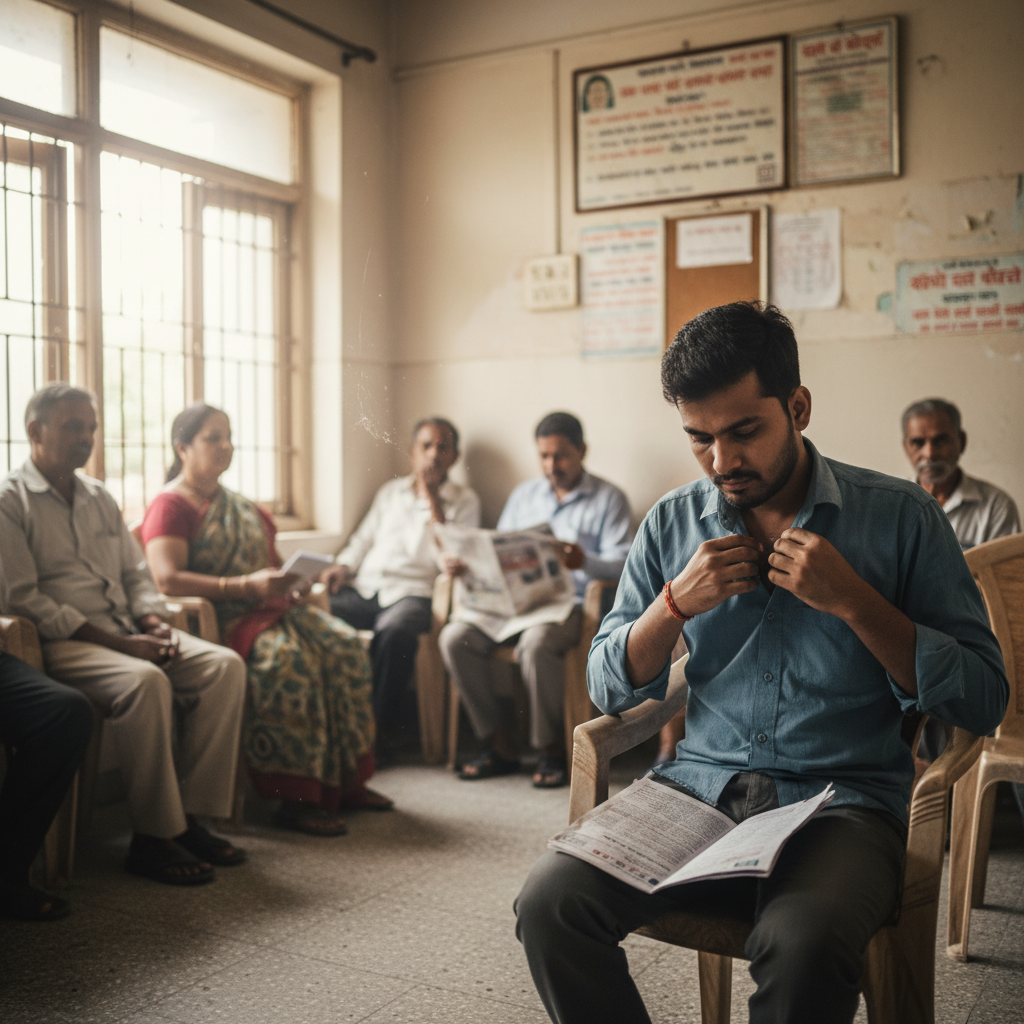
If you’re concerned about sexually transmitted diseases, knowing the STD signs and symptoms in men is crucial for early intervention and continued well-being. At Taal Healthcare, we offer integrated support for HIV, sexual health, and discreet medicine delivery, empowering you to get tested and treated in a stigma-free, confidential environment. It’s important to understand what to look out for to safeguard yourself and your loved ones.
Chlamydia is one of the most common STIs affecting men, but symptoms are often mild or absent, making it easy to overlook. Recognising even subtle changes helps ensure timely Chlamydia treatment and prevents complications.
Many men may have no symptoms, so regular testing is a key preventive measure. Early Chlamydia treatment can fully clear the infection and reduce transmission risk.
Gonorrhea shares similarities with Chlamydia but can present more noticeably. Prompt diagnosis ensures effective care and minimises the chance of longer-term health concerns.
Gonorrhea can increase susceptibility to HIV and cause infertility if untreated. If you notice symptoms, it’s vital to get tested and treated promptly.
Hepatitis A is primarily transmitted via contaminated food and water, but it can also spread through sexual contact, especially in certain groups. Symptoms in men often appear several weeks after exposure.
The infection is typically acute and resolves in weeks, but getting tested is important as Hepatitis A can be passed on to others during its acute phase.
Hepatitis B is a viral infection that can be spread via sexual contact and is more likely to become chronic in adults than Hepatitis A. Symptoms may develop gradually or not at all.
Untreated, Hepatitis B can lead to long-term liver damage. Testing and vaccination are central to prevention, particularly for individuals at increased risk.
Herpes simplex causes recurrent sores and blisters but may sometimes produce subtle symptoms in men. Awareness and prompt care can reduce outbreaks and transmission.
Many living with herpes have mild or unrecognised symptoms, yet can still transmit the virus. Regular communication and correct use of protection lowers the chance of spreading herpes to partners.
HPV is extremely common among sexually active individuals. Certain types can cause genital warts or increase cancer risk. In men, symptoms may be visible or hidden.
Most HPV infections clear on their own, but persistent types can lead to cancer. Get tested or speak with a healthcare professional about vaccination and screening.
Syphilis progresses through several stages, with symptoms depending on each phase. Prompt testing and antibiotic treatment can prevent severe complications.
Later stages can cause neurological or cardiac problems. Men who have sex with men and those with HIV are at higher risk. Timely testing and full treatment are key to recovery.
Taking steps to protect yourself and your partners helps prevent the spread of STIs. Consistent and correct use of protection, regular screening, and open communication are foundational. Here’s how you can reduce your risk:
If you are uncertain about your risk status or symptoms, consult with a healthcare professional for stigma-free advice.
Recognising early warning signs can lead to faster treatment and better outcomes. While not all STDs have clear symptoms, being mindful of body changes is important. Common experiences include:
If you notice any of these, get tested promptly and speak confidentially with a trusted healthcare provider.
HPV prevention combines vaccination, screening, and protective practices. Men can further reduce cancer risk and transmission to partners by:
Vaccination and regular screening are your best defences against HPV complications. Timely screening for HPV decreases the chance of long-term health problems, while ongoing education supports safe sexual routines.
Syphilis can be deceptive because symptoms change over time or go unnoticed. At different stages, men may experience:
Recognising these patterns helps ensure early treatment and limits lasting damage to your health or your partner’s.
Advanced stages of syphilis, if untreated, cause less typical but more serious issues. While rare, these can include:
Unfamiliar or persistent neurological or cardiac problems should prompt immediate health review and robust diagnosis, especially if you’ve ever had unprotected sex.
This article integrates trusted clinical guidelines, reference sources from the Taal Healthcare platform, and in-depth experience from health experts and community advocates. We follow WHO and national best practices, ensuring information is up-to-date and reflects privacy-focused care delivered both online and at reputable centres, such as Bangkok hospital partners and our certified labs across India.
Explore practical guides on HIV prevention with PrEP and PEP, or discover confidential mental health support options. If questions remain, our inclusive doctor consultations empower you to make confident healthcare decisions.
Detecting STD signs and symptoms in men empowers you to act early and responsibly for your own health and for your partners. Whether you have visible symptoms or simply want peace of mind, regular screening and prompt engagement with compassionate, stigma-free services like Taal Healthcare protect your dignity and foster lifelong well-being. If you notice symptoms or are at risk, get tested today and embrace community-led care prioritised for your privacy and trust.
 +91 98925 15959