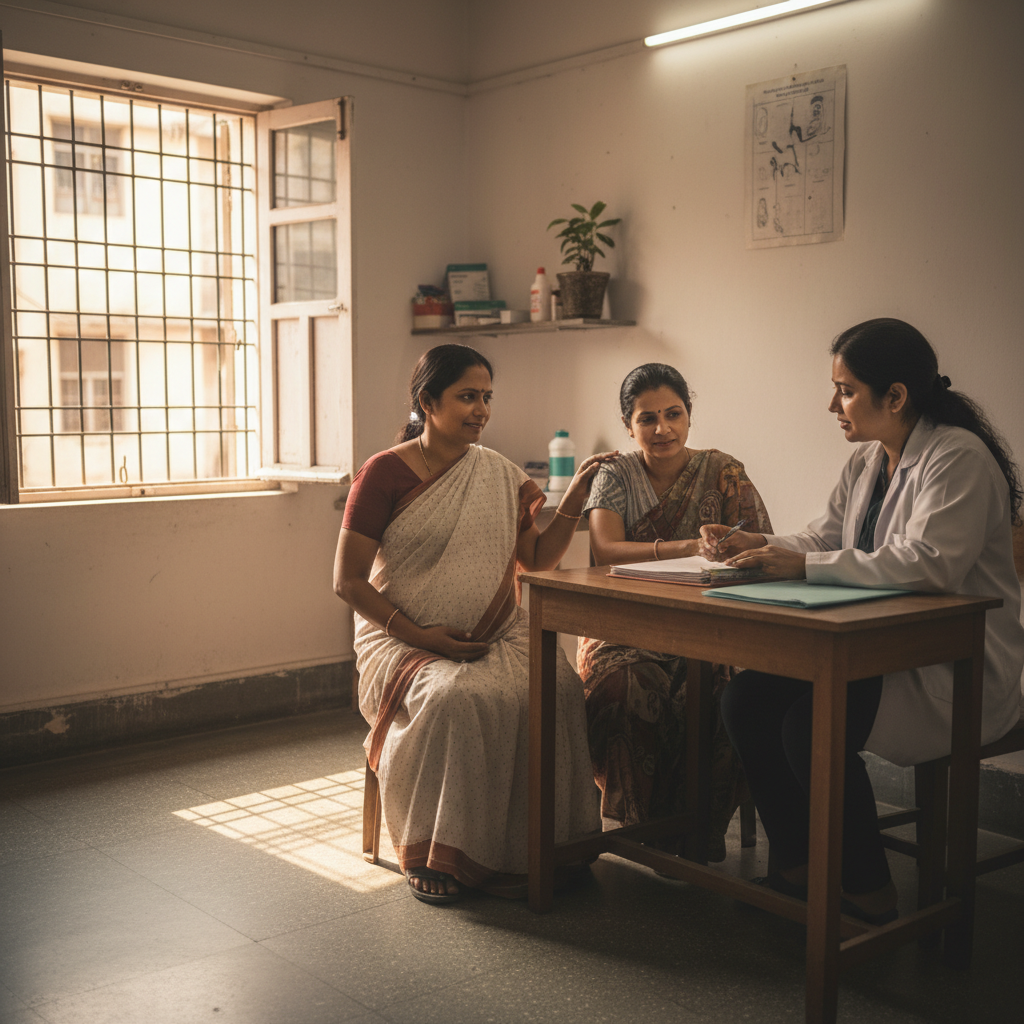
When considering pregnancy and HIV, it is essential to have accurate information and compassionate support. Many individuals and families are unsure where to start. At TAAL+ Healthcare, we prioritize confidential, stigma-free care for every HIV patient and their families. This guide will walk you through key facts, preventive strategies, and treatment options tailored to the needs of people living with HIV or at risk during pregnancy.
Pregnancy brings new considerations for anyone living with HIV. There is a risk of HIV transmission from mother to child during pregnancy, childbirth, or breastfeeding, a process known as vertical or mother to child transmission. With modern medicine and supportive care, the risk can be drastically reduced.
With the right interventions, most HIV positive mothers can deliver HIV-negative babies and lead healthy lives.
Understanding what leads to HIV transmission during pregnancy is crucial. HIV can pass from mother to baby at different stages if specific precautions are not in place. The key factors influencing transmission include:
Addressing these causes is vital for prevention, highlighting the importance of early diagnosis, consistent medication, and regular health checkups for every expectant HIV patient.
Most pregnant women with HIV experience no specific symptoms related to the infection, especially when on treatment. Recognizing HIV signs is still important for prompt care:
However, many remain symptom-free for years, underlining the importance of routine HIV testing and checkups. If you notice new or concerning symptoms, reach out to a trusted healthcare provider immediately.
Timely diagnosis and careful monitoring provide the best chance for a healthy mother and baby. Essential assessments for pregnant individuals include:
These steps help clinicians tailor care, adjust medicines as needed, and share clear guidance with families using Pregnancy ppt resources and illustrations.
Effective, individualized treatment is the cornerstone of safe pregnancies for people living with HIV. The preferred approach focuses on ART (antiretroviral therapy), supported by ongoing care and community support:
These strategies, combined with supportive counseling and practical tools like Pregnancy slideshare, empower mothers and families to make informed, confident decisions throughout pregnancy and childbirth.
Preventing HIV transmission in pregnancy is both possible and effective with the right intervention. Consider these key preventive strategies:
Through these efforts, the risk of passing HIV from mother to child can be reduced to less than 2 percent.
Support is a critical aspect of holistic care. Many individuals find comfort and practical information by joining local or virtual groups:
Participation in these groups enhances treatment adherence and emotional strength, leading to healthier pregnancies and postnatal experiences.
With proper care, most HIV patients can look forward to safe pregnancies and healthy children. Advances in science and public health have transformed outcomes:
Outlook improves further when individuals tap into community resources and stay connected with expert healthcare teams.
If you are pregnant and living with HIV, or planning a pregnancy, contact a healthcare expert right away if you:
Prompt action ensures faster solutions and better protection for you and your baby.
HIV/AIDS in pregnancy is often referred to by several terms, such as perinatal HIV, mother to child transmission, or vertical transmission. It may also be described in learning materials and Pregnancy ppt presentations as part of Hiv awareness initiatives or parent education platforms.
Planning a family while living with HIV is possible and safe with the right information, accessible treatment, and non-judgmental support. Regular HIV testing, early ART, and the backing of expert clinicians and community-led teams make all the difference. If you, your partner, or your loved ones have concerns about HIV and pregnancy, reach out to TAAL+ Healthcare for confidential, comprehensive care and guidance designed to protect every parent and child. Your journey is unique, and you deserve dignity, trust, and ongoing support.
 +91 98925 15959