At TAAL+ Healthcare, we recognise that clear, compassionate communication is essential for those seeking answers about how HIV is transmitted. Our HIV treatment and care services are designed to demystify the complexities of HIV spread and support individuals with expert-led, stigma-free care in India and globally.
HIV, or Human Immunodeficiency Virus, is passed from one person to another when certain body fluids containing the virus enter the bloodstream. The most common methods of HIV spread include:
Understanding these primary modes of transmission is crucial to protect your own health and that of your loved ones. Being informed also helps reduce stigma and build a supportive community.
People acquire or transmit HIV when they engage in behaviours or encounter situations where their blood or mucous membranes come into contact with infectious body fluids. Risk is highest when:
It’s important to remember that people can live healthy lives if HIV is detected and treated early through regular testing and prompt care, like the lab and diagnostic testing we offer at TAAL+ Healthcare.
HIV moves between individuals when infected bodily fluids reach another person’s bloodstream through:
Adoption of safer sex practices and sterile injection methods significantly reduce the risk of HIV spreading between people.
Yes, the higher a person’s HIV viral load, the greater the risk of passing on the virus. People on antiretroviral therapy (ART) with an undetectable viral load cannot transmit HIV to their sexual partners (Undetectable = Untransmittable, or U=U).
Ongoing viral load monitoring and adherence to prescribed ART regimens are critical in controlling HIV transmission at an individual and community level.
Many misconceptions still exist about how HIV spreads. HIV cannot be acquired through:
Combatting myths and misinformation plays a key role in reducing the stigma often faced by people living with HIV and their support networks.
AIDS (Acquired Immunodeficiency Syndrome) develops when HIV goes untreated and significantly weakens the immune system. Key points include:
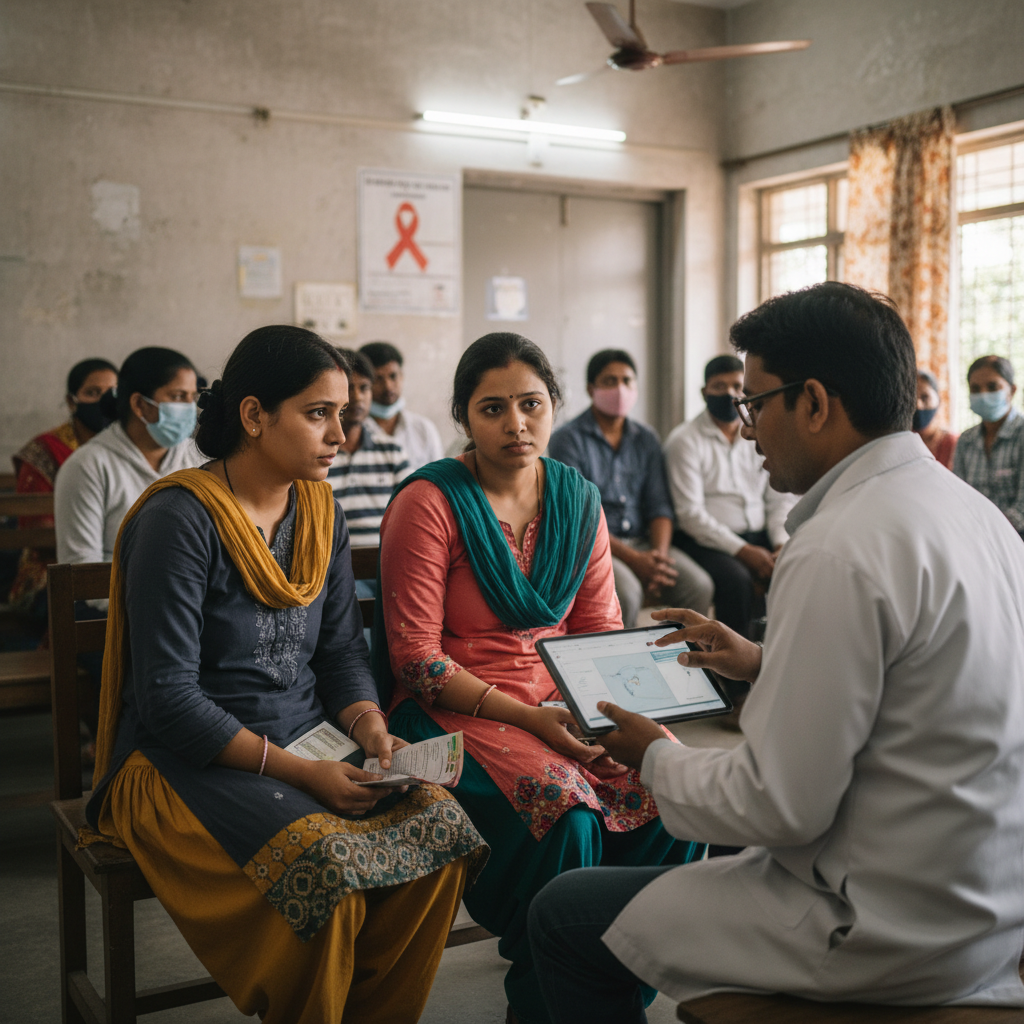
For ongoing support and confidential advice, our doctors and counsellors are available online and offline for personalised guidance.
Transmission occurs through a select group of body fluids, including:
Contact with saliva, sweat, or urine does not transmit HIV. Understanding these details helps inform personal choices about prevention.
To clear up confusion, it’s helpful to contrast facts with misconceptions:
For a more detailed look at misconceptions, refer to our community education initiatives at TAAL+ Healthcare.
Certain behaviours and situations put individuals at higher risk for acquiring HIV. Risk factors include:
Targeted education and resources can greatly reduce personal and community risk.
Early and accurate diagnosis is vital. Testing options include:
We offer convenient, confidential diagnostic testing for HIV paired with expert follow-up counselling.
Effective prevention approaches encompass:
Individual empowerment, coupled with accessible services like those at TAAL+ Healthcare, makes prevention achievable for everyone.
Living with HIV today is possible and fulfilling. Modern HIV treatment includes:
Knowing your options and being supported in a confidential, stigma-free environment lays the foundation for a healthy future.
Understanding how HIV spreads empowers people to protect themselves and their communities. With compassionate care and up-to-date prevention strategies, it’s possible to live confidently and well. TAAL+ Healthcare stands with you, offering HIV care, counselling, and diagnostics in a private and inclusive setting. For further guidance, explore our sexual wellness services and connect with experts who value your health and dignity.
 +91 98925 15959